Garden design and build in Muswell Hill
If you are looking for garden design and build in Muswell Hill, you are likely after more than a neat border or a quick tidy-up. Many local homeowners and businesses want an outside space that feels considered, practical, and suited to the way they live or work. In Muswell Hill, that can mean making the most of a compact rear garden, refreshing a family space that has become overgrown, or turning a paved area into a greener, more usable setting for everyday life.
A well-planned garden should work with the property, not against it. That matters in an area with a mix of period homes, modern extensions, terraced streets, mews-style plots, and larger residential gardens. It also matters for commercial premises that need outdoor areas to look presentable, stay easy to maintain, and support the right impression for visitors, staff, or customers. A local garden design and build service can help you create something attractive, durable, and suited to Muswell Hill’s practical realities.
Whether you want a full redesign or a phased transformation, the right approach starts with understanding your space, your lifestyle, and the constraints of the site. That includes drainage, access, storage, boundaries, sunlight, existing planting, and how the garden will be used throughout the year. Contact us today if you are ready to discuss a new garden layout, a build project, or a mixture of both.
Why local garden design matters in Muswell Hill

Local knowledge is especially useful when planning a garden design and build project in Muswell Hill. Streets can be busy, side access may be narrow, parking can be limited, and some gardens sit behind older properties where materials need to be moved carefully. These practical details affect the design, the build sequence, and the time needed to complete the work.
Muswell Hill properties often benefit from tailored solutions rather than off-the-shelf ideas. A garden that works beautifully for a detached home with a large lawn may not suit a compact terrace with a short rear yard, while a family garden near local schools may need safer surfaces, easier maintenance, and space for play. A commercial courtyard or frontage, meanwhile, may need a clean, professional finish that remains presentable with limited upkeep.
Good local design also takes into account the way outdoor spaces feel through the seasons. Shaded corners, overlooked spaces, sloping sites, and heavy clay or compacted soils can all affect planting and construction choices. A local team understands these issues and can shape a plan that feels realistic, not just attractive on paper.
What a garden design and build service can include

A proper garden project is usually more than a single task. It often combines planning, structural work, soft landscaping, and finishing details that bring the whole space together. For many clients, the goal is to have one team manage the project from first ideas through to the final planting or surfacing.
Typical elements of a garden design and build project in Muswell Hill can include layout planning, paving, turfing, decking, raised beds, fencing, lighting, drainage improvements, retaining walls, pergolas, screens, paths, steps, and planting schemes. Some projects focus on one feature, while others involve a complete garden transformation.
The advantage of a joined-up service is consistency. When the design and build stages are coordinated, the garden is more likely to be practical to construct, visually balanced, and suited to long-term use. Book your service now if you want an outdoor space planned with both appearance and day-to-day function in mind.
Designing for the way you actually use the garden
Every good garden begins with a simple question: how do you want to use the space? Some people want room for children to play, others need a peaceful retreat, and many want an outdoor area that can handle dining, entertaining, growing plants, or a combination of all four. A professional design process starts with these priorities, then shapes the layout around them.
In Muswell Hill, this might mean separating different zones within one garden. For example, a paved dining terrace can sit close to the house, with a lawn or planted area beyond, and a quieter seating nook tucked away to the side. In smaller gardens, the challenge is not size alone but making sure every metre contributes something useful. Clever proportions, planting depth, and well-chosen materials can make a space feel larger and more inviting.
Families often ask for layouts that are flexible as children grow. That may involve durable surfaces, storage for bikes or toys, safe edging, and plant choices that can tolerate a lively household. Commercial clients may need a more restrained, low-maintenance design with strong lines, tidy borders, and planting that keeps its structure for much of the year.
Common priorities for local customers
- Creating a usable garden for entertaining and relaxing
- Improving privacy and reducing overlooking
- Making a small garden feel bigger and brighter
- Reducing maintenance with smarter planting and surfaces
- Solving drainage or uneven ground issues
- Adding structure with paths, walls, and defined zones
- Refreshing tired or outdated outdoor areas
How the garden build process usually works
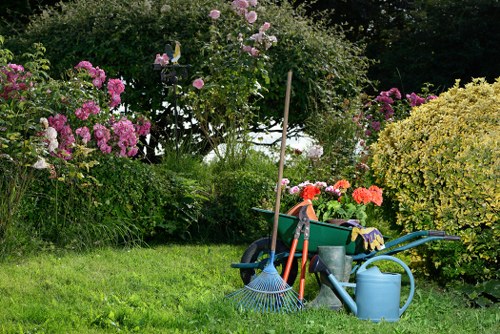
A well-managed garden build should feel organised from start to finish. While every project is different, the process usually begins with a site visit and a discussion about what you want the garden to do. This is the stage where ideas are gathered, practical challenges are noted, and the scope of the work starts to take shape.
After that, the design is refined into a workable plan. Depending on the project, this may involve a simple layout concept or a more detailed scheme showing materials, levels, planting areas, and key features. Once the design is agreed, the build can begin with the necessary groundworks, demolition, clearance, and preparation.
Construction then moves through the main stages: structural elements first, followed by surfacing, planting, and finishing touches. In a Muswell Hill setting, access planning is often important at this point, because materials may need to be brought through side entrances, front gates, or narrow paths with care. A local team is more likely to understand how to schedule deliveries and manage the site neatly.
Typical stages of a project
- Initial discussion and site assessment
- Concept planning and material choices
- Preparation, clearance, and groundworks
- Construction of hard landscaping features
- Installation of planting, turf, or other finishes
- Final detail work and handover
What makes Muswell Hill gardens distinctive
Muswell Hill has a character of its own, and that often shows up in the gardens. Some plots are generous and leafy, while others are more compact and shaped by extensions, outbuildings, or existing boundary walls. Many homes benefit from mature surroundings, but older gardens can also come with shaded areas, root interference, uneven surfaces, and established features that need careful handling.
There is also a strong mix of residential and commercial properties in and around the area. That means garden design and build work may be requested for private homes, shared outdoor spaces, office settings, hospitality venues, or frontage areas that need to look welcoming and well kept. A versatile local team can adapt to these different requirements without treating every job the same.
Nearby areas such as Crouch End, Highgate, East Finchley, Alexandra Park, Hornsey, and parts of the wider North London area often face similar site conditions. Sloping plots, limited parking, shared access, and mature trees can all affect the shape of the work. That is why local experience is so valuable when planning a garden redesign or a full build.
Design ideas that work well locally

There is no single right way to design a garden, but certain approaches tend to work especially well in Muswell Hill. A balanced design usually combines structure, planting, and usable space rather than overloading the area with too many competing features. Clean lines and simple geometry can suit contemporary homes, while softer planting and natural materials may complement period properties.
Many local customers ask for gardens that feel attractive year-round. That can be achieved with a mix of evergreen structure, seasonal flowering plants, varied textures, and surfaces that remain appealing in wet weather or winter light. A good design should still look purposeful when the blooms are gone and the lawn is dormant.
Where space allows, features such as raised beds, integrated seating, water features, and layered planting can bring depth and character. In smaller gardens, the focus may be on maximising light, reducing visual clutter, and using every boundary intelligently. Request a free quote if you want ideas tailored to your own plot rather than a generic layout.
Popular features for Muswell Hill gardens
- Patios for dining and outdoor seating
- Low-maintenance planting schemes
- Timber or composite decking
- Fencing and boundary screening
- Raised planters and brickwork features
- Lawn replacement or lawn rejuvenation
- Garden lighting for evening use
- Practical storage and utility areas
Hard landscaping and soft landscaping working together
Successful garden design is usually a balance between hard landscaping and soft landscaping. Hard landscaping covers the built elements: paving, walls, steps, paths, edging, sleepers, timber features, and structural details. Soft landscaping refers to planting, turf, soil improvement, and all the living parts of the garden.
In a garden design and build project, both sides need to be planned together. A beautiful planting scheme will struggle if the drainage is poor or the layout is awkward, and a well-built patio may feel stark if it is not softened with planting and considered edges. The best gardens use hard and soft elements to support each other.
For Muswell Hill customers, this integrated approach is especially helpful where gardens must cope with shade, slopes, heavy use, or limited maintenance time. A design that includes the right materials, the right levels, and the right planting palette is more likely to stay attractive and practical for years to come.
Why the balance matters
Hard landscaping gives the garden shape and structure, while soft landscaping gives it life, texture, and seasonality. Together they create a space that feels complete rather than pieced together. A thoughtful design also considers how easy the garden will be to care for once the build is finished.
How local access, parking, and logistics affect your project

One of the main reasons people choose a nearby team for garden design and build in Muswell Hill is practical logistics. Materials, waste removal, and site access all need to be handled efficiently. If parking is limited or roads are busy, deliveries may need tighter coordination. If access to the rear garden is narrow, boards, protective coverings, and careful sequencing become even more important.
These details may not be visible in the final result, but they strongly influence the quality of the work and the smoothness of the project. A local company is more likely to understand the pace of the area, the type of access challenges common in residential streets, and how to minimise disruption for neighbours and occupants.
For homeowners, that can mean less stress during the build and a more orderly site. For businesses, it can mean reduced disruption to day-to-day operations and a clearer handover once the work is complete. If your garden or outdoor area has awkward access, it is worth raising that early so the design and build plan can account for it properly.
What to expect from a quote
When requesting a quote for garden design and build in Muswell Hill, it helps to be clear about the parts of the project you already know you want. You do not need every detail finalised, but the more the team understands about your objectives, the more accurately they can shape the proposal. The quote may be based on a concept design, a site visit, or a breakdown of specific tasks.
Pricing factors commonly include the size and condition of the garden, the amount of preparation needed, the materials selected, access difficulties, drainage requirements, site levels, and how much planting or finishing work is involved. A compact but complex garden can take more planning than a larger, straightforward one.
It is also normal for customers to phase a project over time. You may choose to handle the build in stages, starting with groundworks and structural elements before moving on to planting or decorative touches later. A flexible approach can make a bigger project more manageable without compromising the overall design.
Factors that may influence the cost
- Site clearance and removal of existing features
- Ground conditions and levelling work
- Drainage improvements or soakaway requirements
- Choice of paving, timber, brickwork, or composite materials
- Extent of planting and soil preparation
- Fence repairs or boundary upgrades
- Access constraints and delivery logistics
- Project size, complexity, and completion timescale
How to prepare for your garden project
A little preparation before work begins can save time and help the project run more smoothly. If you are planning a garden redesign or a full build, start by thinking about how you want the finished space to feel and function. Photos, rough sketches, and notes about your preferences can all be useful, even if they are not polished.
It is also worth checking what currently exists in the garden. Hidden drainage covers, old cables, awkward steps, damaged paving, invasive roots, or tired boundary structures may all need to be considered before work begins. Sharing this information early can help avoid delays and refine the plan.
For homes in Muswell Hill, practical preparations often include clearing access routes, protecting nearby indoor areas if materials will pass through, and planning where waste or temporary storage can sit. If you share the property with others or have a business to run, timing and site organisation become even more important.
Preparation checklist
- Decide how you want to use the garden
- Gather inspiration for materials and planting styles
- Note any drainage, shade, or level issues
- Identify access points and any restrictions
- Discuss pets, children, or business operations that affect timing
- Think about maintenance preferences after completion
- Set aside any existing features you want to keep
Why choose a local company for garden design and build in Muswell Hill
There are several good reasons to work with a local team rather than a distant contractor who may not know the area well. A nearby company can respond more quickly, visit the site with less fuss, and understand the kinds of properties and plots common in Muswell Hill. That familiarity often leads to more realistic planning and better day-to-day communication.
Local teams are also more likely to appreciate the practical side of the job. They know that many garden projects are happening within lived-in homes, not empty sites. They understand how to protect existing surfaces, reduce unnecessary disturbance, and keep the work organised. For commercial customers, they can plan around opening hours, deliveries, and visitor flow.
Choose local expertise when you want a garden that suits the character of the area, the needs of your household or business, and the realities of the site itself. That combination is often what turns a nice idea into a well-finished outdoor space.
Residential and commercial garden services
Garden design and build work in Muswell Hill is not limited to private homes. Commercial sites often need outdoor areas that are tidy, functional, and easy to maintain. That could include office courtyards, restaurant or hospitality outdoor spaces, communal grounds, or entrance areas that help create a professional first impression.
Residential customers, meanwhile, may want anything from a modest refresh to a complete transformation. Some are looking to make better use of a narrow terrace garden, while others want to overhaul a larger family plot that has become uneven, overgrown, or difficult to maintain. The right service should be able to scale appropriately for both types of client.
In either case, good design is about listening carefully to how the space is used. A home garden may need privacy and play space; a commercial garden may need simplicity and durability. The underlying principle is the same: the finished result should work as well as it looks.
Areas covered around Muswell Hill
Garden projects often extend beyond the immediate centre of Muswell Hill, particularly where homes and businesses sit close to nearby North London neighbourhoods. Service areas commonly include surrounding locations such as Crouch End, Highgate, East Finchley, Hornsey, Alexandra Park, Stroud Green, Fortis Green, and nearby residential streets across the wider area.
This broader local coverage is useful because many of the same site conditions appear throughout the neighbourhoods nearby: restricted access, mature planting, terraced housing, side returns, and gardens that need a careful balance of design and practicality. A local service can often bring the same approach across different postcodes without losing sight of the details.
If you are close to Muswell Hill and wondering whether your garden project fits the service area, it is worth making an enquiry. The best way to know whether a team can help is to discuss the site, the desired outcome, and the type of work needed.
Frequently asked questions
Do I need a full redesign, or can you improve part of the garden?
Not every project needs a complete overhaul. Many customers choose to improve one section at a time, such as adding a patio, replacing old fencing, improving drainage, or redesigning a planting bed. A phased approach can work well if you want progress without starting everything at once.
Can you work with small gardens?
Yes. Small gardens often benefit the most from careful design because every element needs to earn its place. With the right layout, materials, and planting choices, even a compact Muswell Hill garden can feel more spacious and functional.
What if the garden has poor drainage or uneven levels?
These are common issues and should be addressed early in the design process. Good ground preparation, appropriate falls, and the right materials can make a significant difference to how the garden performs after completion.
How long does a garden build take?
Timescales vary depending on the size and complexity of the project, the weather, material availability, and access conditions. A simple refresh will usually take less time than a full redesign with structural landscaping and extensive planting.
Can you help with both design and construction?
Yes. Many customers prefer a combined service so the same team can handle the ideas, the build, and the finishing work. This often helps keep the project consistent from start to finish.
Getting started with your Muswell Hill garden project
If your outdoor space no longer suits your needs, now is a good time to explore what is possible. A considered garden design and build project can improve everyday life, create more usable space, and make your property feel more complete. It can also reduce maintenance and solve long-standing issues that have been frustrating you for years.
From family gardens and private courtyards to business premises and communal outdoor areas, a local service can tailor the work to the site and the client. The key is to start with a clear conversation, a realistic plan, and a design that respects the character of the property and the practical needs of the area.
Contact us today to discuss your ideas, ask about the process, or request a free quote for garden design and build in Muswell Hill. Whether you are planning a small update or a full transformation, a well-executed project can make your outdoor space far more enjoyable, useful, and inviting.